
Besa Vormatu-Dzelumadzekpo
Conservation and Natural Resource Management


West Africa: Priority-Setting for Biodiversity Conservation
From the Forest to the Sea: Biodiversity Connections from Guinea to Togo
The Guinean Forests of West Africa biodiversity hotspot is home to the rare pygmy hippopotamus and many other striking species, including the forest elephant, Diana monkey and several forest antelopes. It is one of the 25 richest and most threatened reservoirs of plant and animal life on Earth. The forests have the highest mammal diversity of any hotspot and are among the highest priorities for primate conservation. Critically endangered primates in this hotspot include the white-collared mangabey, Roloway monkey, Stampfl’s putty-nosed guenon, Miss Waldron’s red colobus and the Cross River gorilla.
The Upper Guinea Forest "Hotspot" Facts:
-
Contains about 9,000 species of vascular plants, 25% of which occur nowhere else on Earth;
-
Half of Africa's mammal species are represented in the Upper Guinea Forest;
-
90 of 514 species are unique to the hotpost
-
Contains 1,320 non-fish vetebrae species, 270 endemic to the regions
Ghana:
Biodiversity/Natural Resource Conservation Component - Natural Resource Conservation and Historic Preservation Project (HRCHPP) Consolidation Phase - Funded by USAID
Consolidation Phase of Natural Resource Conservation Component of the Natural Resource Conservation and Historic Preservation Project (NRCHPP) was funded by the United States Agency for International Development (USAID).
Project Outcome:
-
The creation of Kakum Conservation Area (Kakum National Park and Assin Atandanso Resource Area) to protect globally significant and endangered wildlife species such as the Forest Elephant (loxodonta cyclotis), and the Diana Monkey (cercopithecus diana) listed on the World Conservation Union (IUCN) “Red List”.


Ghana:
Natural Resource Management Program (NRMP) -
funded by The World Bank and The Global Environment Facility (GEF)
Natural Resources Management Program (NRMP) was funded by the World Bank and the Global Environment Facility (GEF). The Natural Resource Management Program (NRMP I), established an effective national policy and institutional framework for sustainable natural resource management and to develop and test collaborative resource management systems.
Project components:
-
High forest resource management established forest resource management policy and legal framework; designed and tested integrated forest reserve management systems and mechanism to encourage private sector involvement in both on- and off-reserve settings;
-
Savanna resource management developed new multidisciplinary institutional arrangements for drylands management; and pilot tested and implemented improved systems for community-based management of savanna woodland and other resources;
-
Wildlife resource management retrained personnel in the Wildlife Department; and prepared and implemented park and reserve management plans;
-
Environmental management coordination supported district level environmental management planning and monitoring capacity; and improved information flow among sectoral agencies; and,
-
Biodiversity conservation developed and implemented integrated reserve management plans.


Ghana:
Protected Area Management Programme (PADP) I & II -
Funded by the European Commission
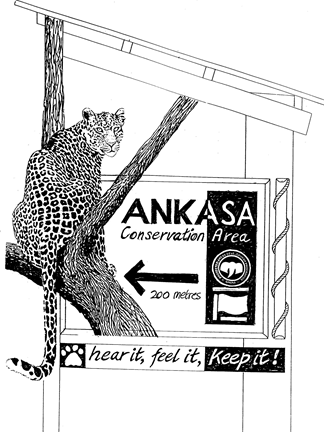
Ankasa Resource Reserve and the contiguous Nini-Suhien National Park, are Wildlife Protected Areas located in the wet evergreen forest area of the South-Western Region of Ghana and form a key component of West Africa’s Upper Guinean Forest Ecosystem. This 490km area of wet evergreen forest is extremely rich in biodiversity with up to 300 plant species found in a single hectare. There have also been record numbers of animals sighted, including 43 mammal species comprising the bongo, forest elephant, 10 primate species including the endangered Dina Monkey and the West African chimpanzee. The area is also rich in bird fauna.
Project outcomes:
-
Undertake a management and development study of the Ankasa and Bia conservation areas which will identify wildlife conservation requirements, management priorities and establish a functional link between resource conservation and development interventions for local communities
-
Develop management plans for Nini-Suhien National Park and Ankansa Resource Reserve and Bia National Park and Resource Resource
-
Implement management plans including some infrastructural development in the reserves and support for local communities and the mobilisation of those communities in natural resource management
-
Improve the capacity of Ghana’s Wildlife Division
-
Develop a conservation education strategy including in school and out-of school youth to participate in an experiential learning programme